- Net-zero: reduce absolute scope 1 and scope 2 greenhouse gas emissions by 42 percent, and scope 3 emissions by 30 percent, aiming for net-zero emissions by 2045
- Circular economy: increase recycled plastic share in consumer packaging to at least 35 percent, with 100 percent of packaging being designed for recycling
- Global gender equity: strive to achieve at least 45 percent male and female representation across management levels and ensure global pay equity*
- Sustainable supply chains: ensure 85 percent of suppliers meet specific sustainability standards
14 abr. 2026 Düsseldorf / Germany
Henkel announces new sustainability targets for 2030
Building on its proud legacy of sustainability since its foundation and its 150-year heritage, Henkel is setting new mid-term targets until 2030. The new sustainability targets reflect a strategic decision to further accelerate impact across the company’s value chain. With a holistic approach that integrates climate action, equity, and sustainable supply chains, Henkel is marking the start of a new cycle.
“For 150 years, Henkel has demonstrated that responsible practice and strong business performance go hand in hand. In today’s challenging and volatile environment, it is more important than ever to take a clear and consistent stance in shaping a sustainable future,” says Carsten Knobel, CEO of Henkel. “In line with our purposeful growth agenda, we are now taking the next step with new and ambitious, yet tangible sustainability goals. We are focusing on three key priorities where we believe we can make a meaningful impact and further drive sustainable value.”
“Our proud heritage is characterized by both responsibility and pioneering spirit, especially when it comes to building a more sustainable future. The new targets reflect a strategic decision to accelerate impact across our entire value chain, providing a clear and actionable framework to embed sustainability into everyday decisions across the business. Creating a lasting and holistic impact takes courage and a shared commitment – across all teams, markets and sites worldwide,” adds Sylvie Nicol, Executive Vice President Human Resources, Infrastructure and Sustainability.
Accelerating the path to net-zero and a circular economy
Henkel is committed to becoming net-zero by 2045 and defined a comprehensive roadmap in 2024 to achieve this goal, validated by the Science Based Targets initiative (SBTi). The company aims to significantly reduce emissions across its value chain by improving energy efficiency and expanding the use of renewable energy and more sustainable fuels. As a key milestone on this path, Henkel aims to reduce its absolute scope 1 and scope 2 greenhouse gas emissions by 42 percent by 2030 (vs. 2021) and cut absolute scope 3 emissions by 30 percent. Scope 1 and 2 emissions cover direct and indirect emissions from our operations, while scope 3 covers emissions that originate in the upstream and downstream value chain. The progress achieved so far shows that Henkel is on the right track: by 2025, the company achieved a 29 percent reduction in scope 1, 2 and 3 emissions versus the 2021 base year and implemented carbon-neutral production at 37 sites worldwide. In this context, Henkel has significantly increased its share of renewable electricity to 97 percent globally. These reductions reflect both operational improvements and intensified collaboration with suppliers and partners.
Another important element of Henkel’s environmental protection efforts is its commitment to supporting a circular economy. The company has set clear targets for both the share of recycled materials used in its consumer goods packaging and the proportion of packaging designed for recycling. By 2030, the share of recycled materials is planned to reach at least 35 percent, up from the current level of 28 percent. In addition, Henkel aims for 100 percent of its packaging to be designed for recycling by 2030, already reaching 88 percent today.
The company also contributes to the development of recyclable packaging through specialized adhesive solutions, developed by its business unit Adhesive Technologies. These solutions are tested in the company’s dedicated “Packaging Recyclabs,” which form part of Henkel’s customer centres in Düsseldorf and Shanghai.
Advancing employee equity globally
Henkel reaffirmed its commitment to equal opportunities, an inclusive workplace, and fair pay. By 2030, the company strives to achieve global gender balance in management, with each gender represented at more than 45 percent across all management levels. By the end of 2025, the share of women in management had already reached more than 43 percent, marking a strong milestone and demonstrating tangible impact. In addition, Henkel strives to achieve global pay equity by 2030. Both targets are implemented in compliance with local laws and regionally tailored approaches.
Collaboration for more sustainable supply chains
Henkel is intensifying its efforts to work closely with suppliers and raise sustainability standards across its supply chain. The company systematically evaluates its business partners’ performance in safety, health, environmental protection, social standards, and fair business practices. By 2030, 85 percent of Henkel’s suppliers are expected to meet the company’s sustainability criteria. Cross‑industry initiatives such as “Together for Sustainability (TfS)” alongside targeted support programs for small and medium‑sized suppliers, are key enabler of this ambition.
Henkel’s progress is confirmed by internationally recognized sustainability ratings. In the 2025 CDP assessment, Henkel received an “A” rating in the climate category for the first time. The company also improved its performance in the latest EcoVadis rating and was once again awarded Gold.
The full set of the new sustainability targets can be found here.
* in compliance with local laws and regionally tailored approaches
Sustainable Impact Report 2025 Cover
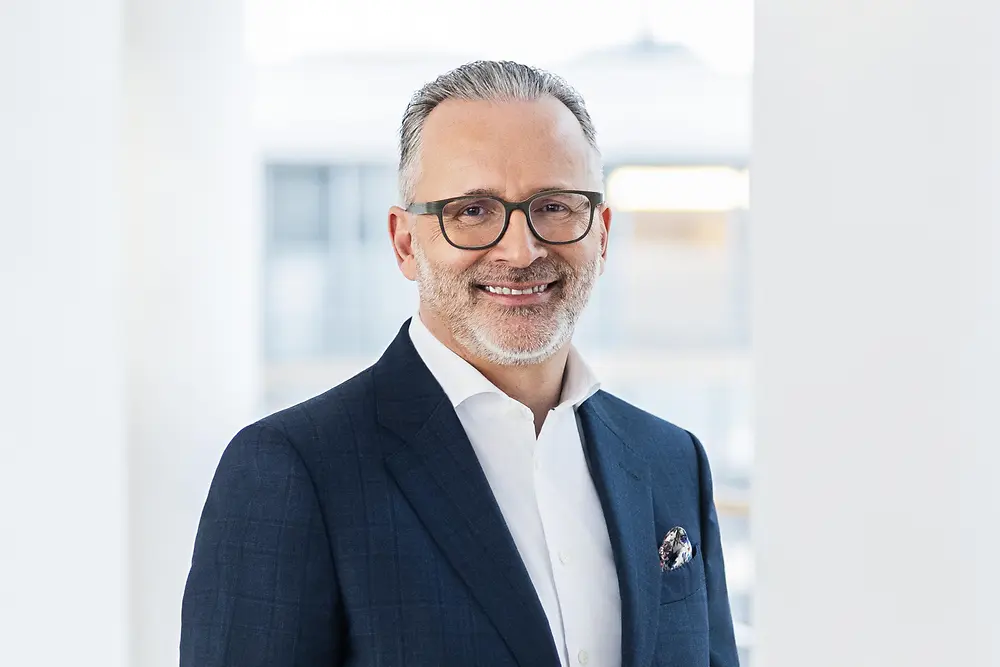

Henkel CEO Carsten Knobel


Sylvie Nicol, Executive Vice President Human Resources, Infrastructure and Sustainability at Henkel


By 2045, Henkel aims to achieve net-zero worldwide.
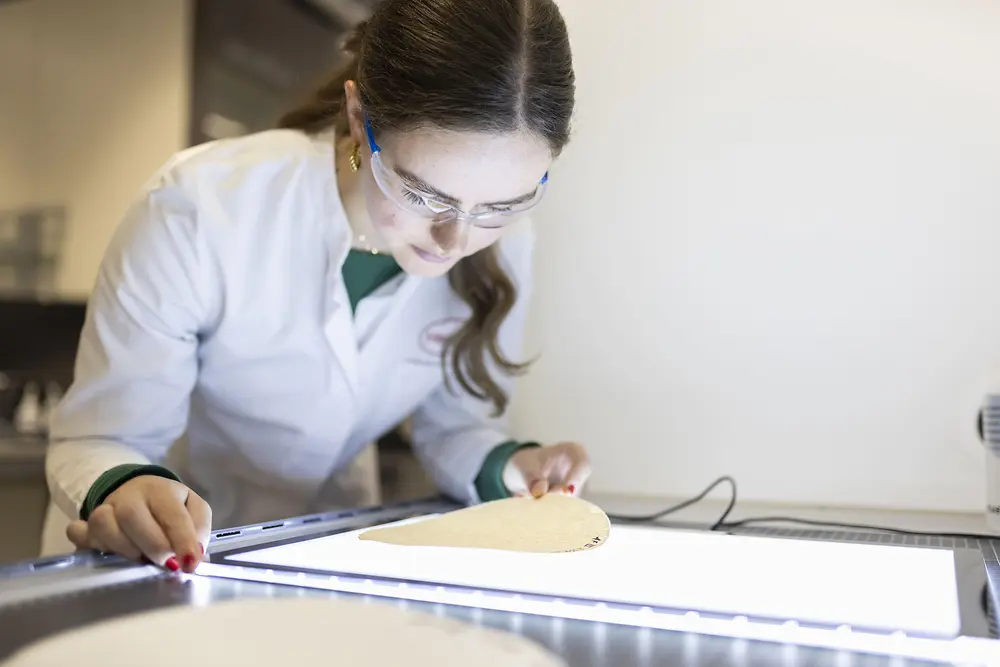

To promote the circular economy, Henkel is working on innovative, circular-ready adhesive solutions. In its Packaging Recyclabs, experts examine, among other things, the recyclability of fiber-based packaging.


By 2030, Henkels strives to achieve at least 45 percent male and female representation across management levels.


By 2030, Henkel wants to ensure that 85 percent of its suppliers meet defined sustainability standards.
1 de 7